We create the most energy efficient heating & cooling systems in Australia

25+ years of trusted experience

Clean energy

Your reliable geothermal partner

About

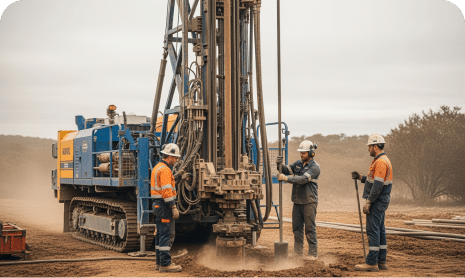
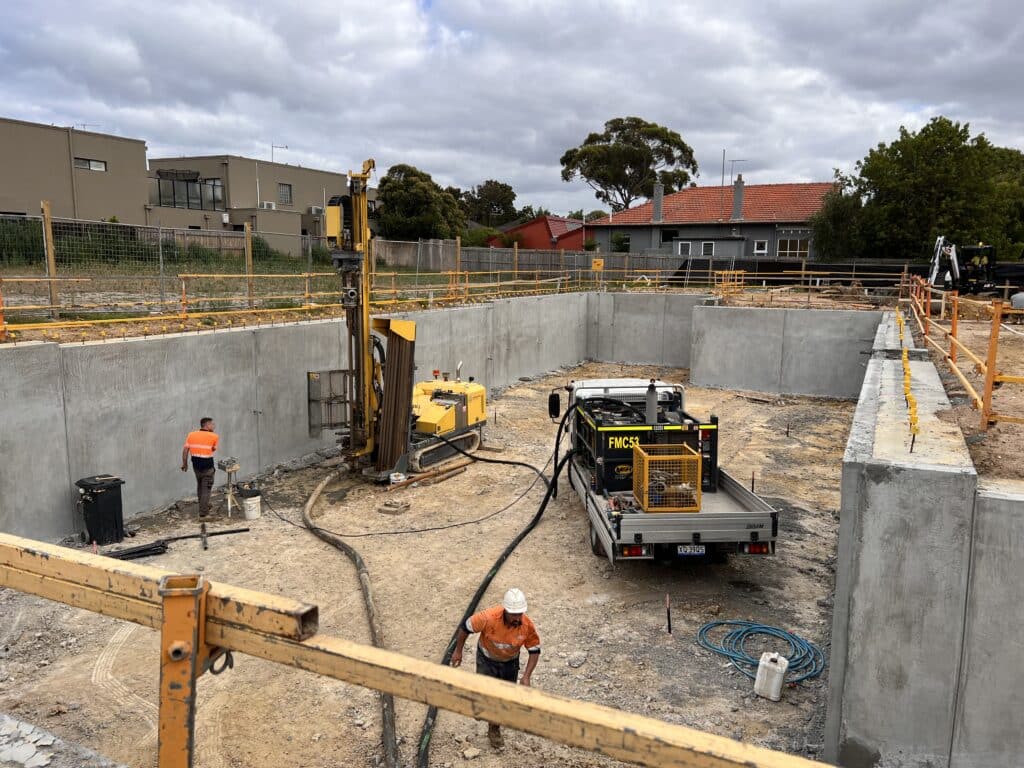
From initial consultation through to project delivery, Geothermal Industries (GIA) brings proven expertise in geothermal drilling. With a strong track record across Australia, GIA has successfully delivered projects in a wide variety of geological conditions, including some of the country’s most challenging formations.

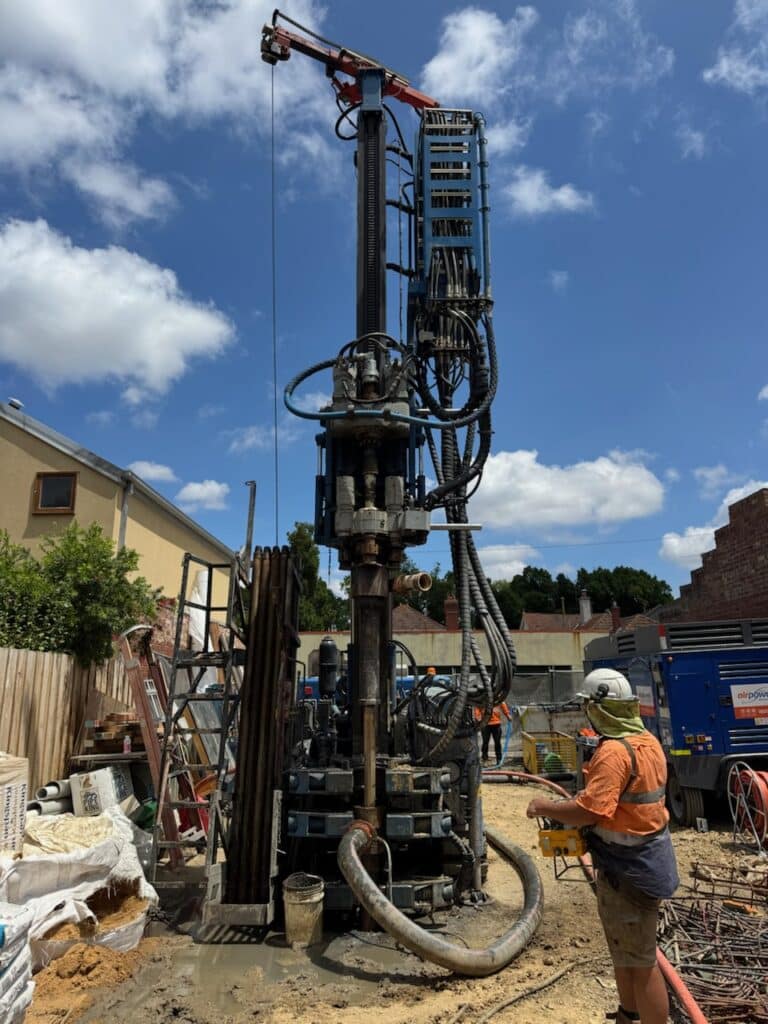
Backed by an in-house fleet of owned drilling rigs and advanced technologies, our team delivers the specialist expertise and technical precision required to drill and complete geothermal wells efficiently, safely, and exactly as designed.

Kilograms CO2 Total Savings
0 M+
Equivalent cars taken off the road
0 +
Kilograms coal burning eliminated
0 M+
Meters Geothermal loops drilled
0 K+

Professional Geothermal Installation You Can Trust

Geothermal Industries goes well beyond the typical installation practices and provides its clients with a safe, clean and efficient geothermal heat exchanger that will last the life of the building and beyond.

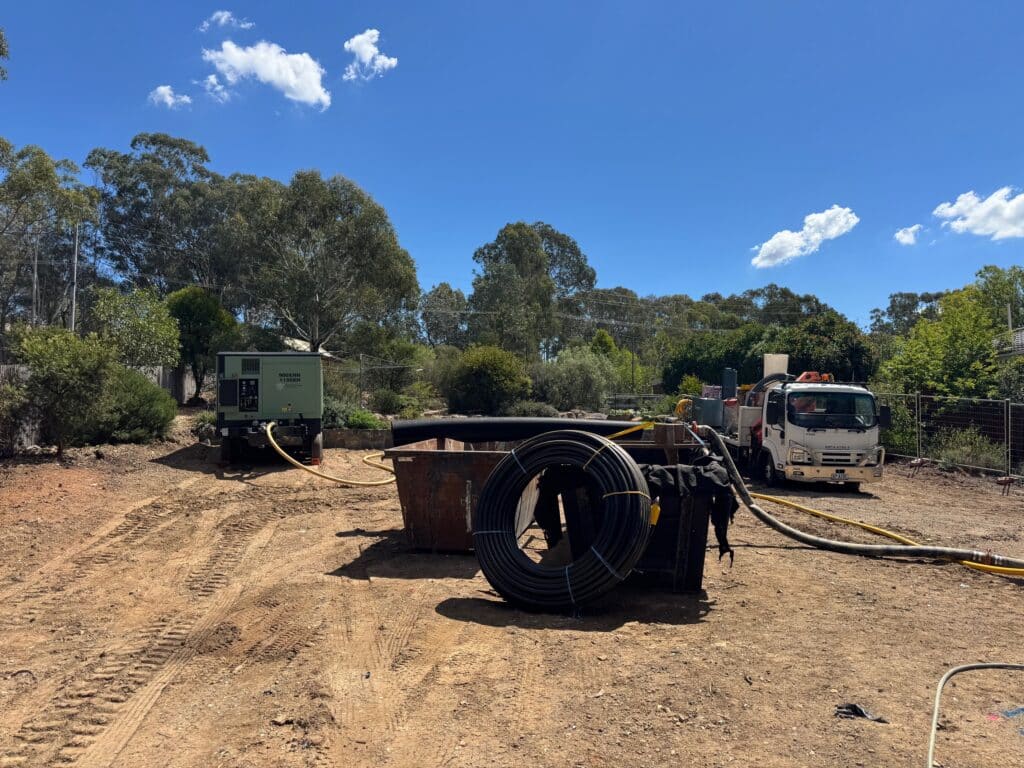
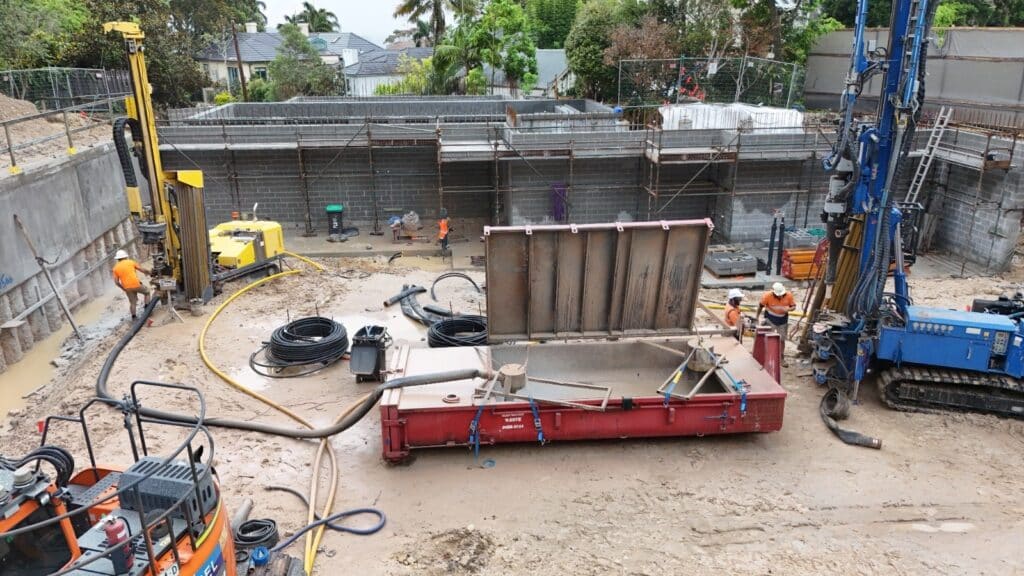
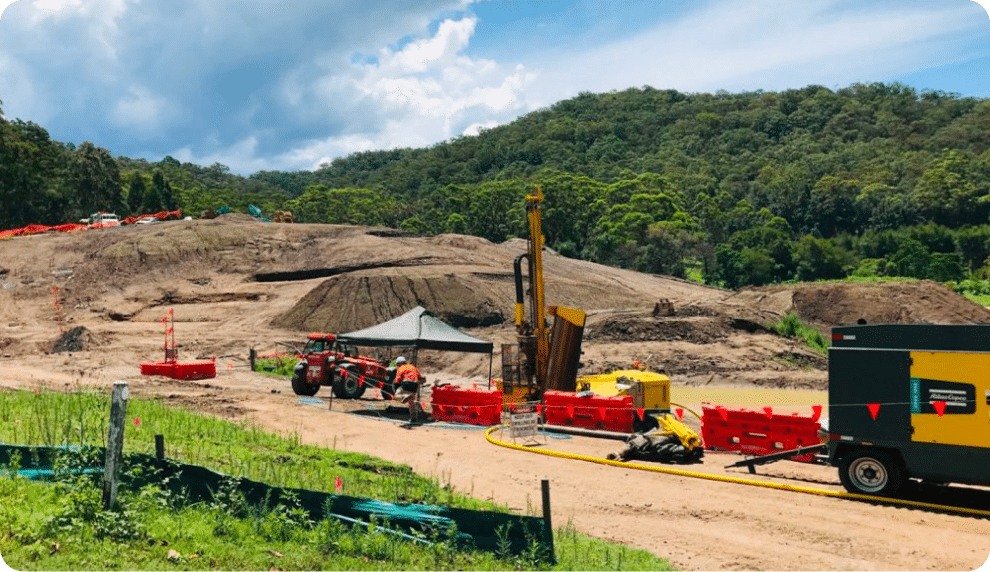
Geothermal Industries has multiple drilling technologies available to ensure it will best fit the client’s sites requirements and specific geology. In addition to the state-of-the-art drilling equipment, Geothermal Industries utilises a proprietary cuttings containment system that will leave your site clean & free of drilling spoils.

A Closer Look At This Partnership

Geothermal drilling

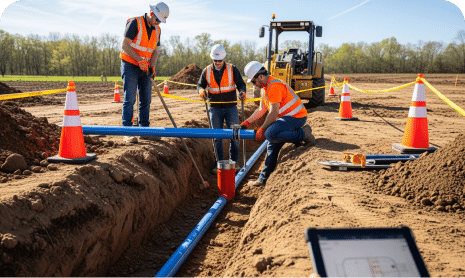
Geothermal piping install

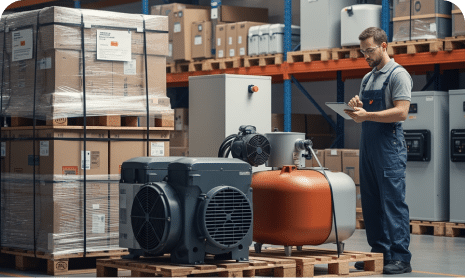
Geothermal equipment supply

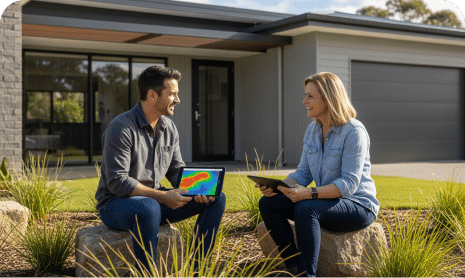
Geothermal system consultation

Recent Projects

Request a free demo or book a consultation with our experts

Сustomer Reviews

Simon Robinson
Using Go Geothermal since 2014…
We began working with Go Geothermal in 2014 when they helped us specify our first DHM order - and we've never looked elsewhere. Good product availability, great advice and really nice people to deal with. Top marks
Rich
Great service from day one.
Gogeothermal have been really great from first contact to helping us sort out our air source heat pump issues and get the system running efficiently. They have been first class from day one a real breath of fresh air. They are friendly, professional, highly knowledgable and explained how the system works in an intuitive way. Alan has been brilliant ! We can’t thank you enough for all your help and advice.
Claire
I work with Go Geothermal on a regular…
I work with Go Geothermal on a regular basis and they are always so helpful and a joy to speak to, no matter who I get transferred to or what my query is. Keep up the good work 🙂

Find out why businesses trust us download our capability statement

How it works

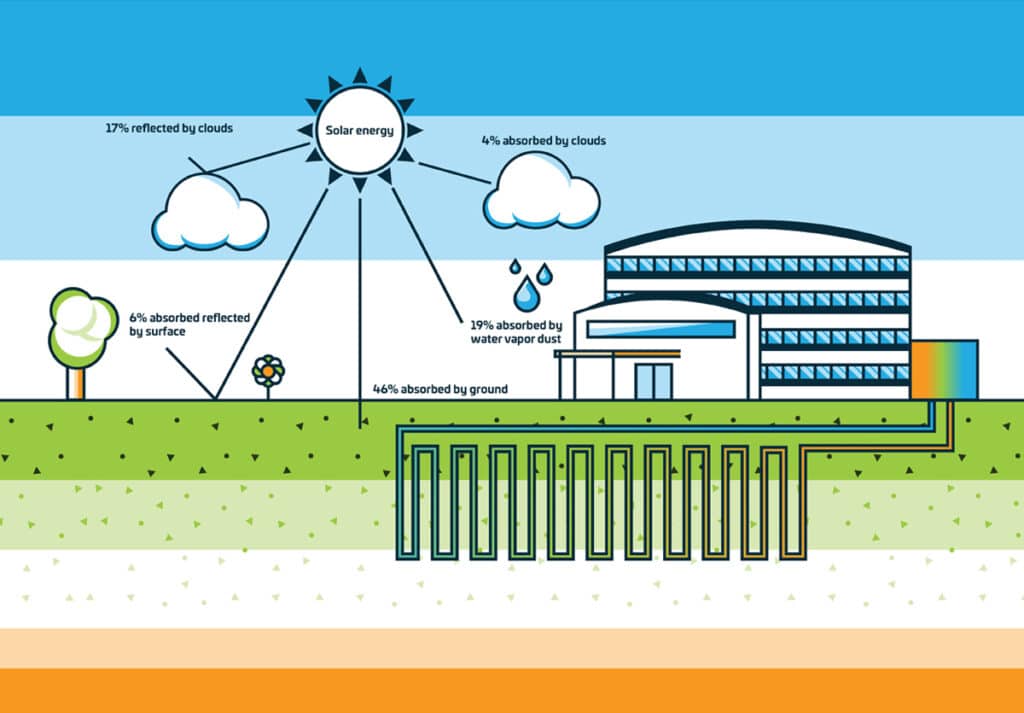
“Geothermal” is the commonly used term for sourcing heat from the ground. “Geoexchange” is a geothermal application which uses the geothermal heat capacity of the Earth to provide both heating and cooling

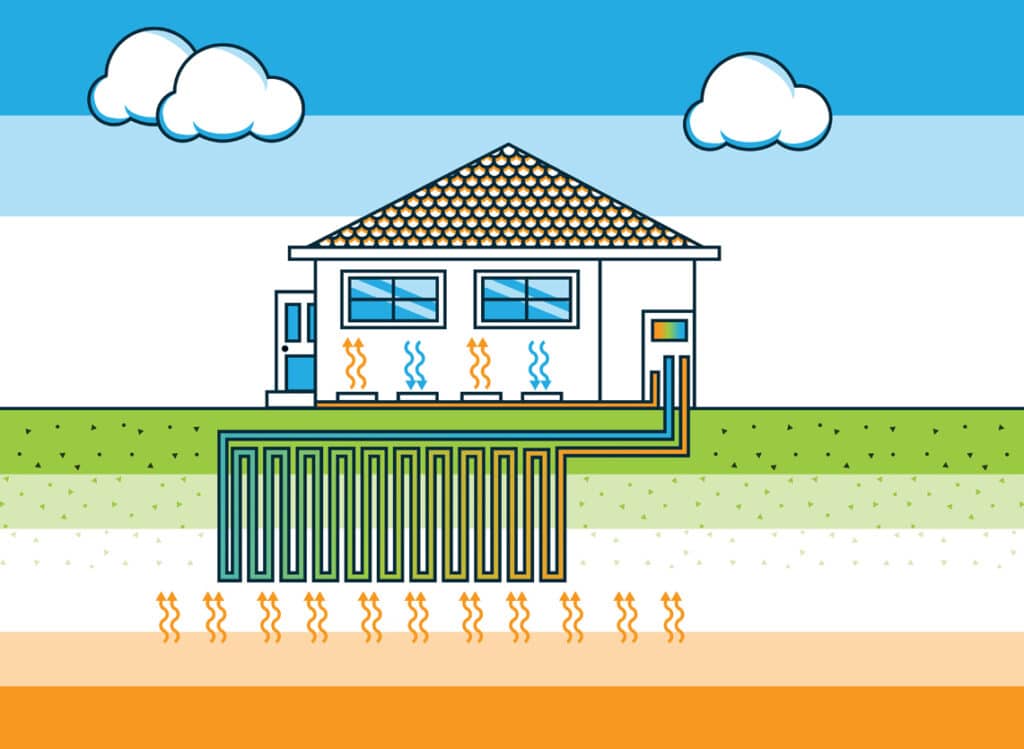
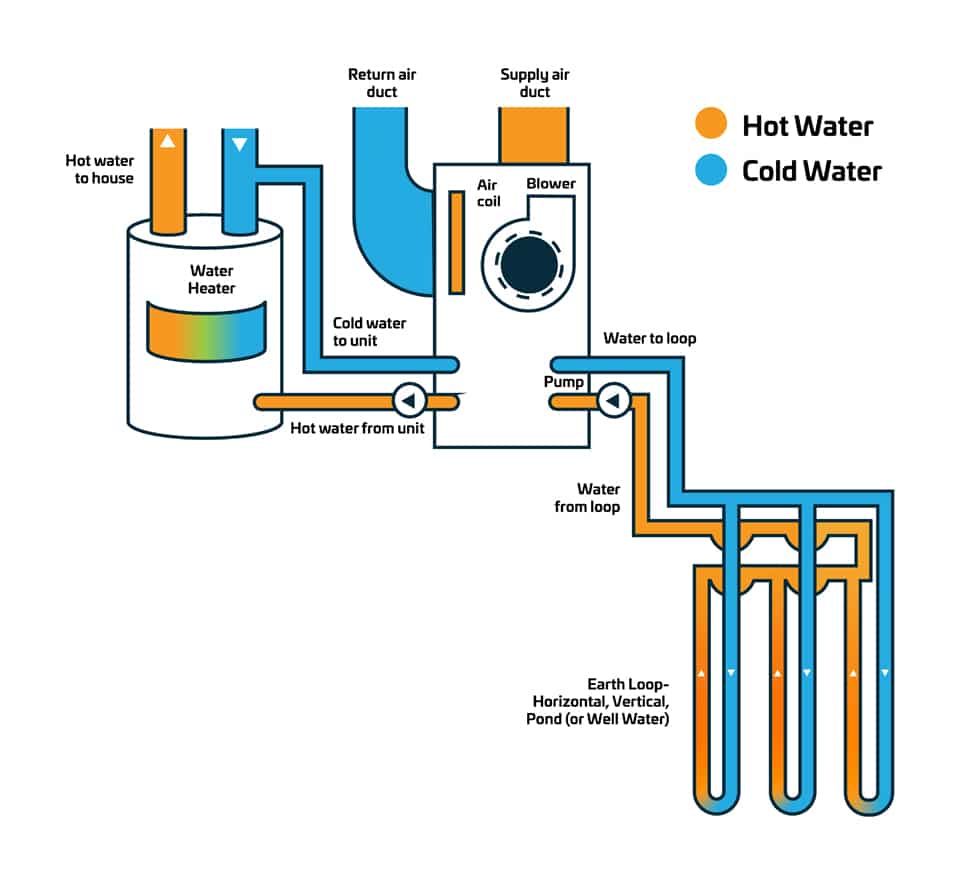
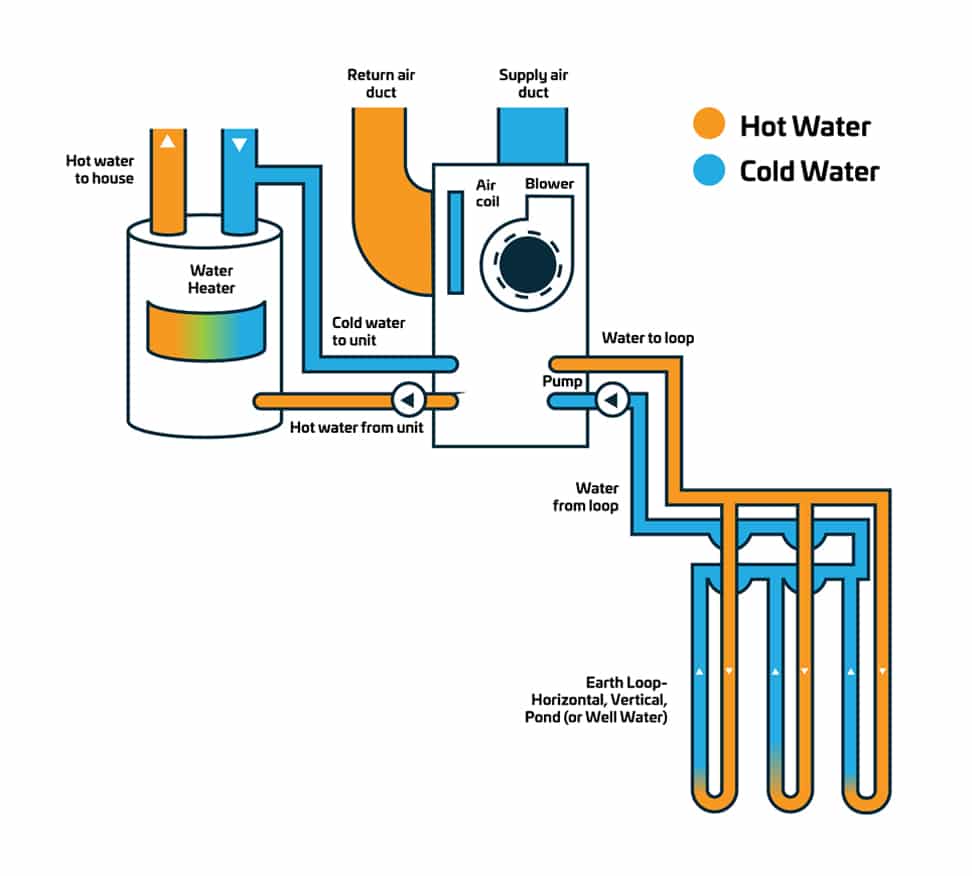
The temperature of the ground remains relatively constant year-round (1). This natural heat is collected through a series of pipes, called a ground loop (2), which is installed below ground and filled with a mixture of water and corrosion inhibitors. The length of ground heat exchanger (pipe) required is determined by the size, usage and design of the home or building. In general, the bigger the building, the longer the loop in most cases. Technically speaking, the length of the ground loop is determined by the building’s heat loss or heat gain.

The fluid is circulated through the ground loop, where it exchanges heat with the ground – in the same way your hand will exchange heat with a hot cup of coffee or a cold glass of water. The cooler surface will always be heated by the warmer one. The warmed fluid continues to circulate from the ground to a smart machine called a heat pump (3).

The heat pump increases the heat from the fluid in the loop by compressing it, and then transfers it across a heat exchanger and into the air stream, where a blower distributes heated air through the ductwork just like a conventional forced air furnace (4).

During the summer months, the system is run in reverse to provide air conditioning. Instead of putting heat into the air stream, the heat pump draws it out of the building and transfers it into the ground loop. The warmer fluid exchanges its heat with the cooler earth and there it remains until needed again in the cold seasons. The ground acts like a thermal battery storing energy in a large thermal mass to be used in the opposite season.

Your Geothermal system can generate enough heat for your home’s hot water system as a by-product when doing your space conditioning (5). When connected to the hot water tank, an optional hot water assist, called a desuperheater, can provide approximately 50% of a typical home’s hot water needs.

The heat pump system can also be designed to transfer the energy into water to operate a radiant floor heating system or large commercial heated/chilled fluid distribution system.

The heating process involves the extraction of heat energy from the ground:


The heating process involves the extraction of heat energy from the ground, and moving it into the building. Transferring the heat from the earth to the building involves a cycle of evaporation, compression, condensation and expansion. A refrigerant is used as the heat transfer medium. The heating cycle starts as cold, liquid refrigerant passes through a water-to-refrigerant heat exchanger and absorbs heat from the low temperature source (earth loop fluid or well water).

The refrigerant evaporates into a gas as heat is absorbed. The gaseous refrigerant passes through a compressor where the refrigerant is pressurized, raising its temperature to over 180° F. The hot gas then circulates through a refrigerant-to-air heat exchanger where heat is removed as the cooler return air passes over it. Now heated, this warm air is delivered into the building by way of the blower and the duct system. Upon releasing its heat energy into the air, the refrigerant returns to the water-to-refrigerant heat exchanger where the process is repeated continuously during the heating process.

A by-product of the heating function is the production of hot water that is delivered to the water heater by way of a small pump.

Animated example of how the cooling cycle works:

The cooling process involves the extraction of heat energy from the air in the building, and moving it into the earth. Transferring the heat from the air in the building to the earth involves a cycle of expansion, condensation, compression, condensation and evaporation. A refrigerant is used as the heat transfer medium.

The cooling cycle starts as the compressor delivers refrigerant to the water-to-refrigerant heat exchanger. Heat from the refrigerant is absorbed by (rejected into) the low temperature source (earth loop fluid or well water) resulting in the refrigerant turning cold. The cold refrigerant passes through a refrigerant-to-air heat exchanger. As warm, humid air from the return air duct system is passed over the cold air coil, the air is cooled and dehumidified and returned into the building, cooling the space.

The heat from the warm air that returns to the unit is absorbed by the cold refrigerant, turning the refrigerant into a hot gas. The hot refrigerant is returned to the compressor where the process is repeated continuously during the cooling process. A portion of the heat returning to the compressor (from the hot return air) is diverted to another refrigerant circuit that generates hot water and delivers it to the water heater by way of a small pump.

Fill out the form below, and we will be in touch shortly.